Primary Keyword: viral content law USA
Secondary Keywords: copyright law for social media, fair use USA, DMCA takedown, reposting viral videos legal, social media copyright rules
What Is Viral Content Law in the USA?
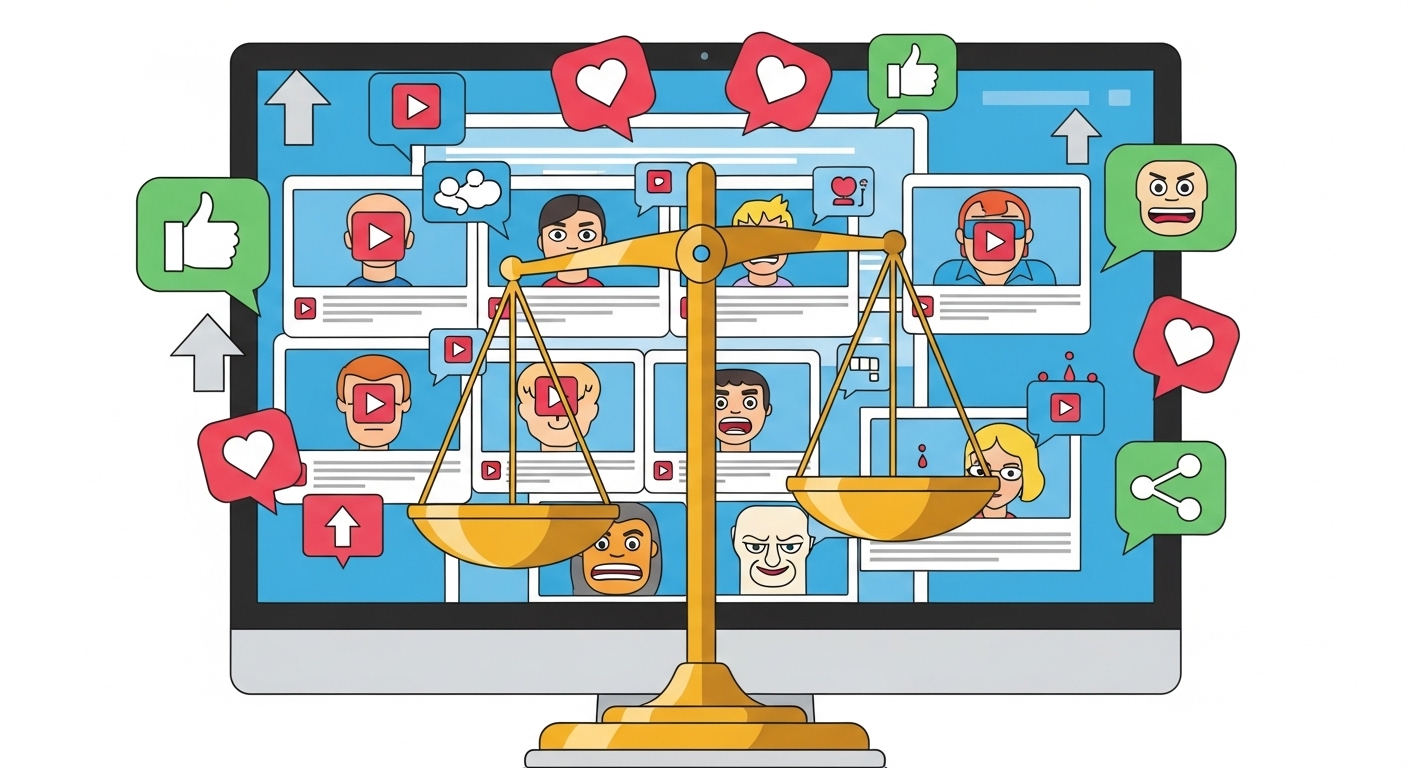
“Viral content law” refers to the legal rules that apply when content spreads rapidly online across platforms like TikTok, YouTube, and Instagram. In the United States, Content is mainly governed by copyright law, the DMCA, and fair use doctrine.
Even if a video, meme, or post is trending, it is still legally protected by the original creator’s rights.
Copyright Law for Viral Content
Under U.S. copyright law:
- The creator automatically owns their content
- You cannot repost or reuse content without permission
- Giving credit does NOT remove copyright liability
This means that downloading and re-uploading viral videos can lead to copyright infringement claims, even if millions of people are sharing the same content.
👉 SEO Tip: “copyright law for social media” is a high-volume keyword you should naturally repeat in your blog.
DMCA Takedown: How Content Gets Removed
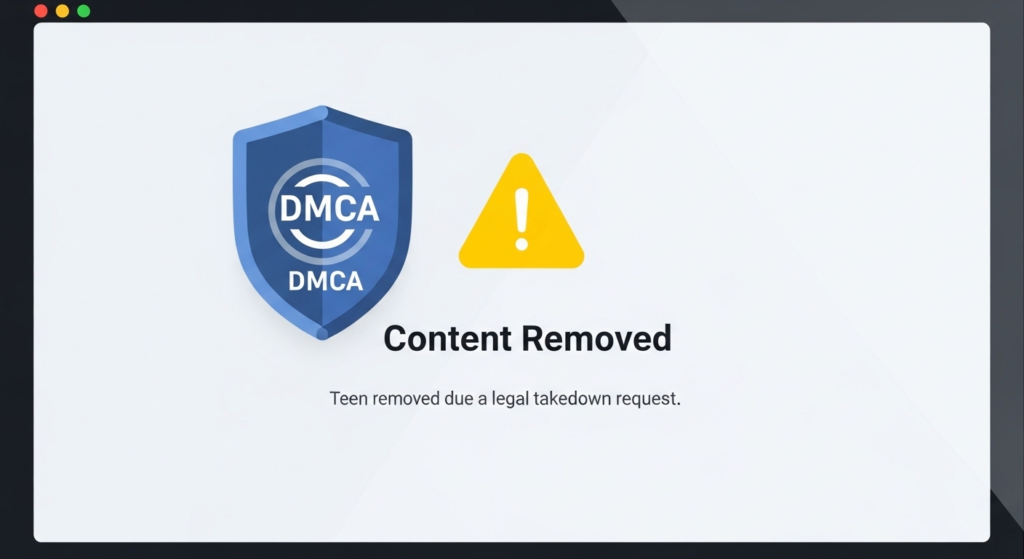
The Digital Millennium Copyright Act (DMCA) allows copyright owners to:
- Send takedown notices
- Force platforms to remove infringing content
- Protect their original work from misuse
Platforms like YouTube and Facebook follow DMCA rules strictly. If you repost viral content without rights, your post can be removed within hours.
Fair Use in the USA: Can You Use Viral Content Legally?
Fair use USA is one of the most searched topics — but also the most misunderstood.
You may use viral content legally if:
- You add commentary, criticism, or education
- You transform the content significantly
- Your use does not harm the original creator
However, fair use is not guaranteed. It is a legal defense, not a right.
👉 Keyword to target: “is reposting videos legal in the USA”
Is Reposting Viral Videos Legal?
Short answer: Usually no.
Reposting viral videos without permission can:
- Violate copyright law
- Trigger DMCA strikes
- Result in account bans or demonetization
Even if content is “everywhere,” it still belongs to someone.
👉 High-ranking keyword: “reposting viral videos legal”
AI & Viral Content Laws (2026 Update)
With AI-generated content rising, new legal risks are emerging.
Key concerns include:
- Deepfakes using real people
- AI-generated copyrighted material
- Non-consensual content going viral
New U.S. regulations are focusing on:
- Privacy protection
- AI accountability
- Faster content removal
👉 Trending keyword: “AI content legal issues USA”
Legal Risks of Viral Content
If you misuse viral content, you may face:
- Copyright strikes
- Content removal
- Loss of monetization
- Legal notices or lawsuits
This is why many creators lose accounts after repeatedly reposting viral clips.
How to Use Viral Content Legally
To stay safe and still grow:
✔ Create original content
✔ Use royalty-free media
✔ Get permission before reposting
✔ Add real transformation (reaction, commentary, analysis)
✔ Learn DMCA and fair use basics
👉 Keyword: “how to legally use viral content”
SEO Strategy for Ranking This Article
To rank this post on Google:
- Use primary keyword in title + first paragraph
- Add secondary keywords in subheadings
- Keep keyword density natural (1–2%)
- Add internal links to related posts
- Write meta description with main keyword
Conclusion
Understanding viral content law in the USA is essential for bloggers, marketers, and creators in 2026. While going viral can bring massive growth, ignoring copyright law, DMCA rules, and fair use can destroy your online presence.
Focus on originality, legal awareness, and smart SEO — that’s how you grow safely and rank higher.